
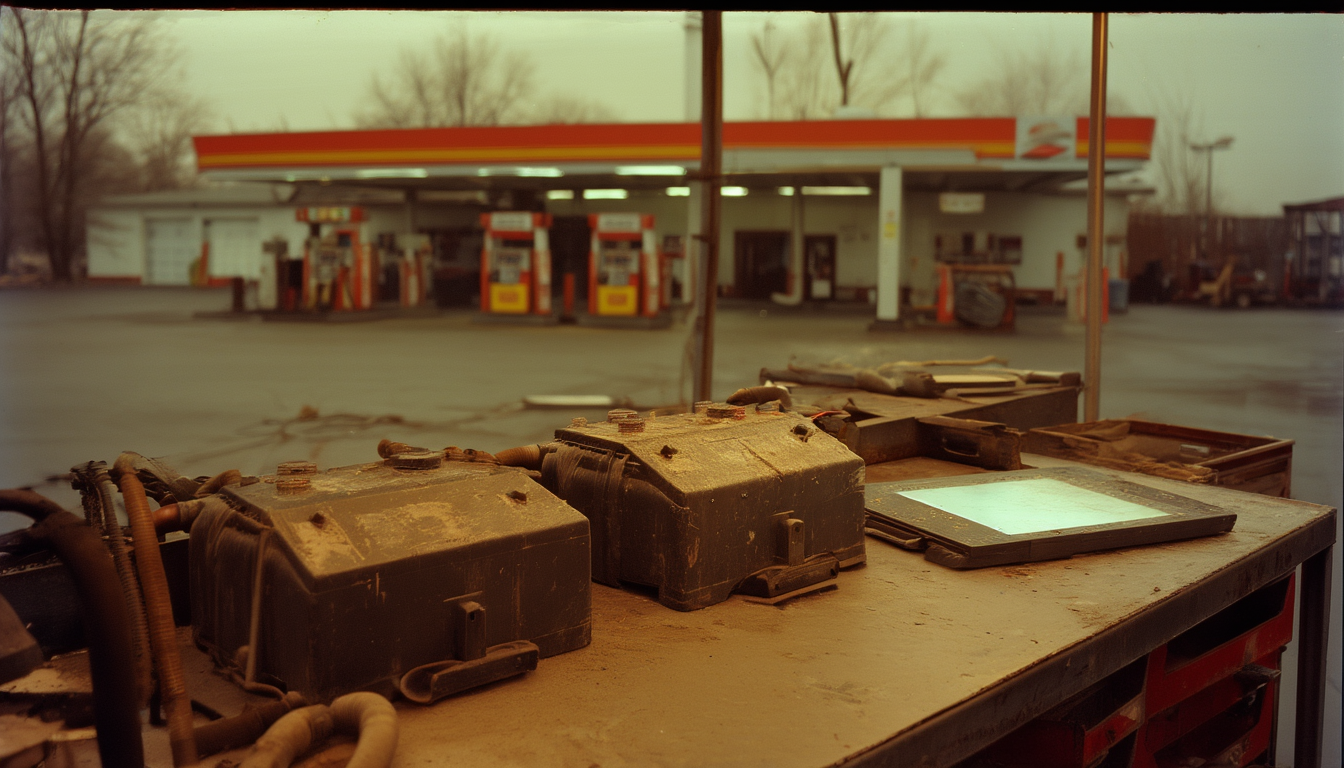
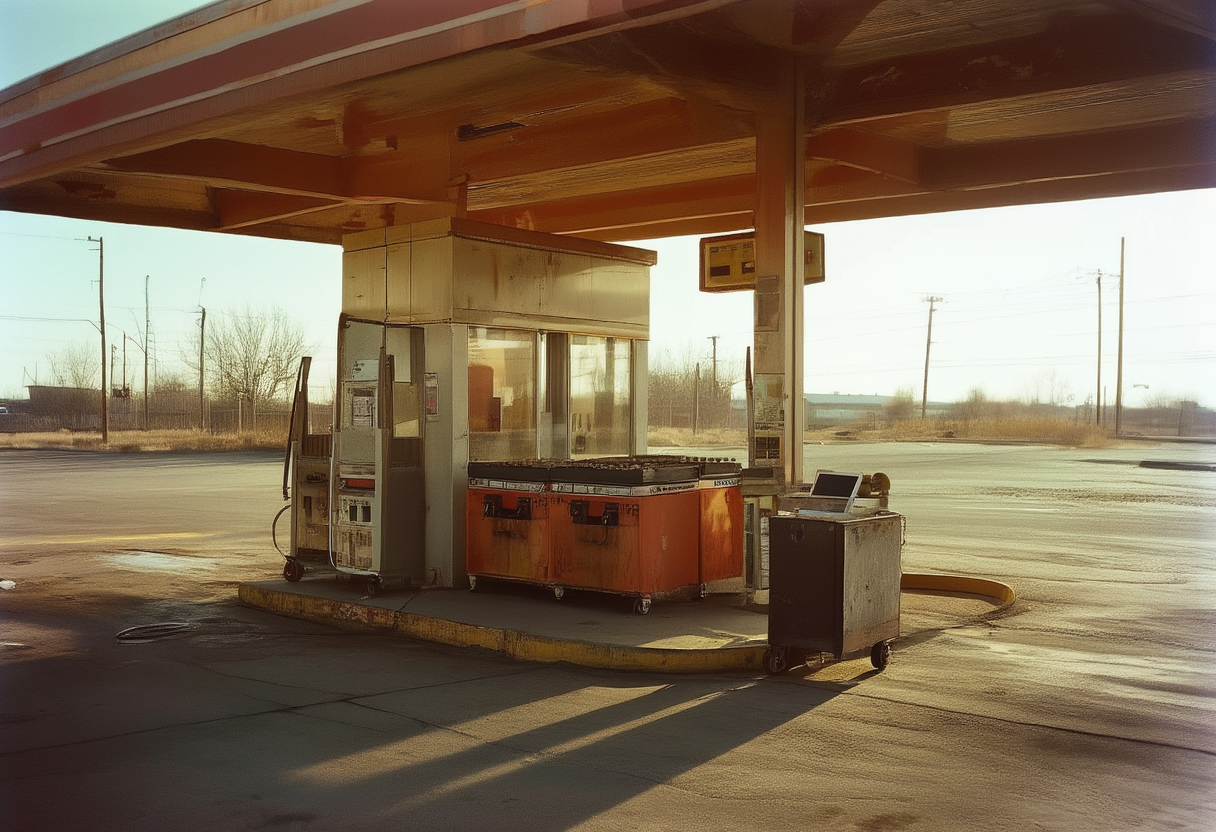
The shop used to be a Shell station. Renata Salas still parks under the old canopy, where the pumps stood, and runs diagnostics off a cracked tablet zip-tied to a rolling cart. It is a Tuesday in 2036. Two battery modules sit on the bench in front of her, pulled from two very different cars, and the gap between them is the whole story of the last ten years.
The first is a liquid-ion pack from a fourteen-year-old crossover. It is heavy as a paving slab, its cells swimming in the same flammable solvent that ran phones and cars for a generation. The second is a solid-state module from a leased sedan she is not allowed to keep. It is lighter, cooler to the touch, and stamped on the casing with the mark of a Chinese manufacturing consortium. Renata has handled hundreds of each. She has never owned the second kind.
What the battery promised
The pitch, back when she was in trade school, was simple enough to draw on a whiteboard. A normal lithium-ion cell moves lithium through a liquid electrolyte, the flammable part, the reason a damaged pack can vent flame in a parking garage. Swap that liquid for a solid layer and two things change. The cell can use a pure lithium-metal anode, which stores far more energy for its weight, and the fire risk mostly disappears. More range, less mass, no flames. Her instructors said it would be everywhere by 2030.
The numbers were real. A good 2025 cell held 250 to 300 watt-hours per kilogram. The solid-state crowd was aiming at 400, 500, higher.1 Samsung SDI confirmed a 500 Wh/kg cell on a 2027 timeline.2 Toyota promised a solid-state car the same year.3 On the whiteboard, the future was a straight line.
What the whiteboard left out is the part Renata likes best, because it is the oldest trick in the trade. The lithium-metal anode was the original dream of 1970s battery work, abandoned because, inside a liquid, lithium metal grows dendrites. Those are microscopic needles that pierce the cell and short it out, sometimes violently.4 A solid electrolyte is rigid enough to block them. So the new battery did not invent the future. It reached back forty years and pulled out a discarded idea, the way her shop pulls a dead pack off a wreck and coaxes one more year out of it.
The dip in the line
The straight line had a dip in it. Renata watched it play out on the secondhand market. Around 2020 a wave of startups, QuantumScape and Solid Power among them, went public on cells that did not yet exist at scale, at prices that made no sense. By 2026 the scorecard was brutal. Seven companies, more than ten billion dollars spent, and not one all-solid-state cell in a customer's car.5
The strange part was that the science kept working while the money bled. QuantumScape's best cell measured a verified 301 Wh/kg even as the company spent 2026 opening a pilot line instead of shipping product.6 BMW slid Solid Power cells into a test sedan and kept testing.7 Everyone was close. Close does not pay back ten billion dollars.
What kept the battery out of cars like Renata's was cost. In 2026 a solid-state cell ran 350 to 500 dollars per kilowatt-hour, against 90 to 110 for the ordinary lithium-ion it was meant to replace.8 Four or five times the price, because nobody had learned to build it cheaply, a million times over, yet. That last part, the building, turned out to be the whole game.
A breakthrough is not an industry, and the distance between them is measured in factories, not patents.
Who built it
Here is what the trade-school whiteboard got backward. The hard problem was never the chemistry. It was the patient, grinding work of turning one good cell into a billion identical ones, and that work does not reward a clever startup. It rewards whoever can pour capital into factories for a decade without flinching.
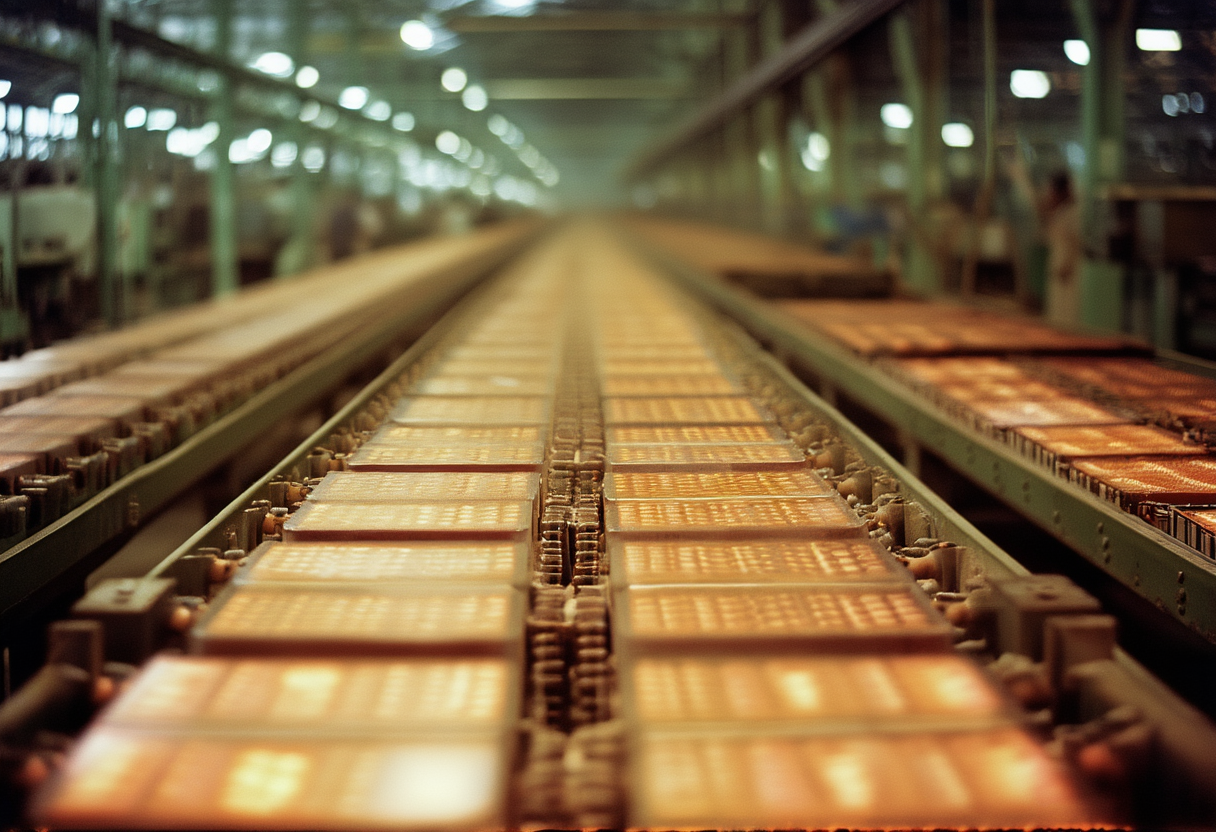
By the mid-2020s, one country had organized for exactly that. Beijing pulled CATL, BYD, SAIC, Geely and others into a government-backed consortium, charged with building the cells and the whole supply chain by 2030.9 CATL opened an all-solid-state pilot line in 2025. BYD planned a 20-gigawatt-hour line aimed at 400 Wh/kg.10 The roadmap read like industrial policy because that is what it was.11 The mark stamped on the module on Renata's bench is theirs.
The gap
The battery was sold as a leveler. Clean, safe, abundant power for everyone. For most of the 2030s it did the opposite. It arrived as a luxury good, its price sliding toward parity with the old chemistry only around 2033 to 2035.12 Until then the good cells went into premium cars and high-end devices while everyone else kept buying the heavy, cheaper, liquid packs. A technology meant to close the gap between the people who could afford the future and the people who could not spent a decade widening it. Renata services both sides of that gap every day.
Every big technology makes winners and losers, and they are rarely the same people. The winners were the patient and the coordinated. The losers were the startups that proved the science and died before they could sell it, the mines tooled for the old chemistries, and the drivers who waited out the luxury years. The map of energy power got redrawn around battery belts and electrolyte supply chains, the way it was once drawn around oil fields.
Closing the loop
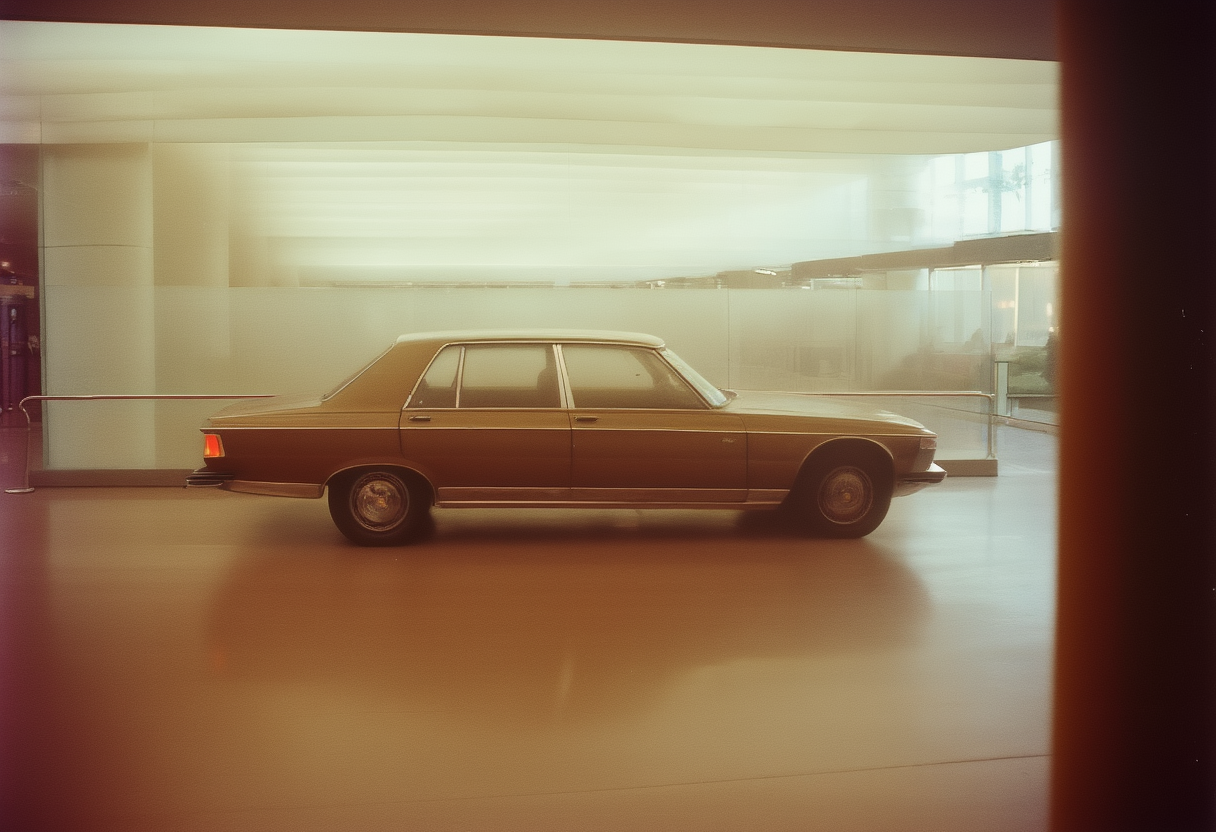
Renata finishes the diagnostic. The old liquid pack can be nursed another year. The solid-state module goes back into the leased sedan, which goes back to a driver who is not her. She heads home in the fourteen-year-old crossover, heavy battery and all, and it gets her there. That was always the point, and never the whole point.
The battery worked. That promise was kept. The open question, the one she turns over under the dead Shell canopy, is the one the whiteboard never wrote down. A breakthrough is not an industry, and the distance between them is measured in factories, not patents. The science arrived on schedule. Who it arrived for is still, in 2036, being decided.